Large commercial and industrial properties face security challenges every day. Distribution centers, construction sites, apartment communities, industrial yards, schools, and manufacturing facilities all need reliable ways to control access and protect assets. A properly planned perimeter fence helps reduce unauthorized entry, improve traffic flow, and create a safer environment for employees, tenants, visitors, and equipment.
Modern perimeter fence systems do more than mark property lines, and can include automated gates, access control systems, anti-climb security features, and privacy enhancements that support both security and daily operations. Choosing the right perimeter fence depends on the type of property, the level of security needed, and the long-term demands of the site.
This guide covers common perimeter fence option and security upgrades that owners can make, plus important factors to evaluate before starting a large fencing project.
What Is a Perimeter Fence?
A perimeter fence is a security barrier installed around the outer boundary of a property. Commercial and industrial perimeter fencing is designed to help control access, improve security, and define property lines for larger sites.
Unlike residential fencing, commercial perimeter fence systems are built for higher traffic, stronger durability, and increased security requirements. Some properties prioritize theft prevention and controlled access while others focus on privacy, safety, or traffic management.
Chain Link Perimeter Fence Systems
Chain link fencing remains one of the most common perimeter fence solutions for commercial properties because of its durability, affordability, and versatility.
Commercial chain link systems can secure large areas without significantly limiting visibility. This makes them a popular option for industrial facilities, schools, transportation yards, and storage properties where monitoring activity across the site is important. Many property owners also choose vinyl-coated chain link fencing for additional corrosion resistance and a cleaner appearance. Security upgrades can further strengthen the system, including barbed wire, privacy screening, and other reinforced gate systems.
Chain link fencing is also relatively quick to install compared to many other fencing materials. For large projects with strict timelines, this can help reduce operational disruptions during construction.
Ornamental Steel Fencing for Security and Appearance
Some commercial properties require a higher-end appearance without sacrificing security. Ornamental steel fencing offers a more decorative look while still providing strong perimeter protection.
Ornamental steel fencing creates a professional appearance that complements landscaping and architectural design. At the same time, heavy-duty steel construction helps deter unauthorized access and withstand long-term exposure to harsh weather conditions. Many ornamental fence systems can also integrate with automated gates and access control systems for improved site security.
Privacy Fence Solutions for Commercial Properties
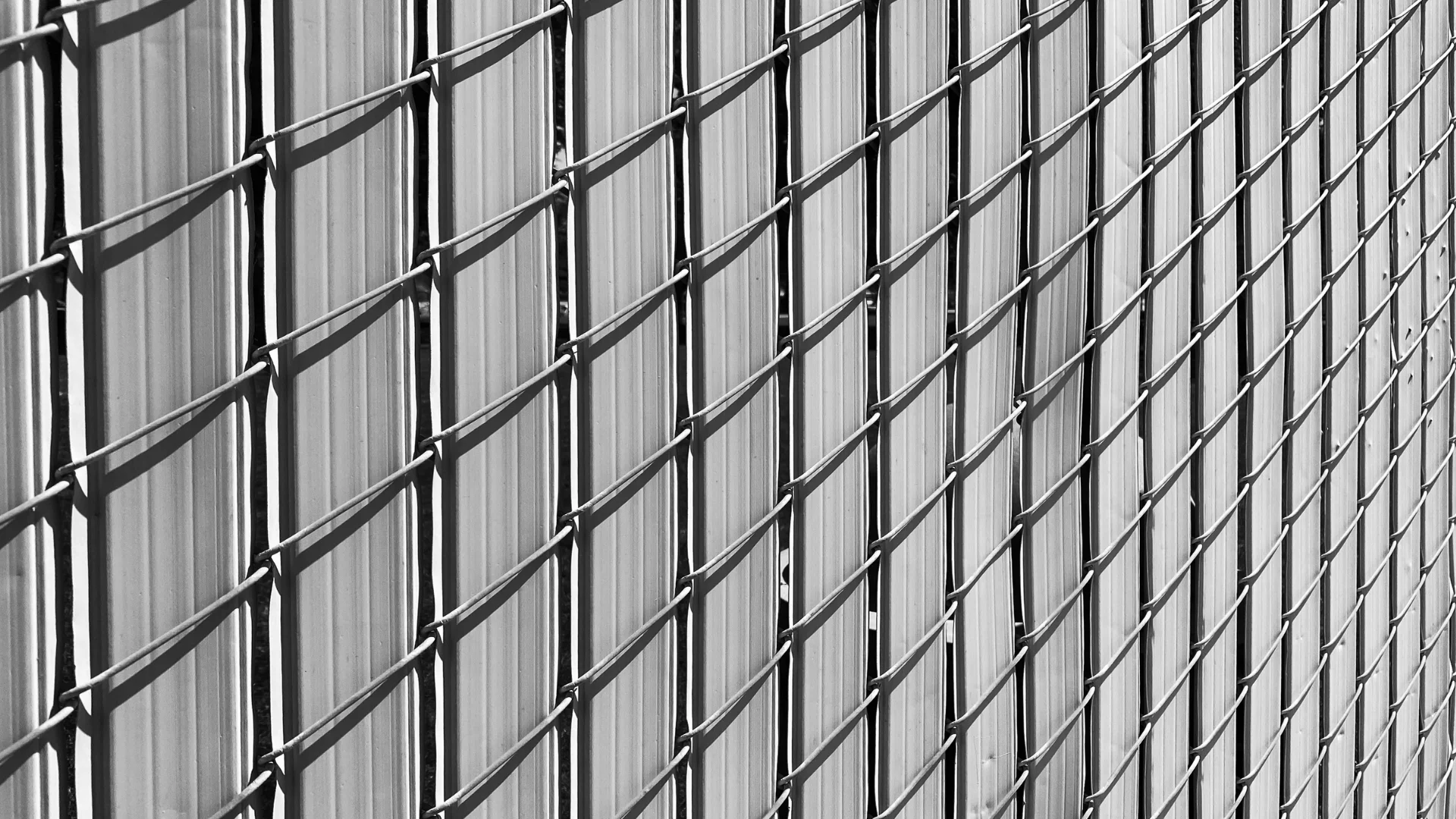
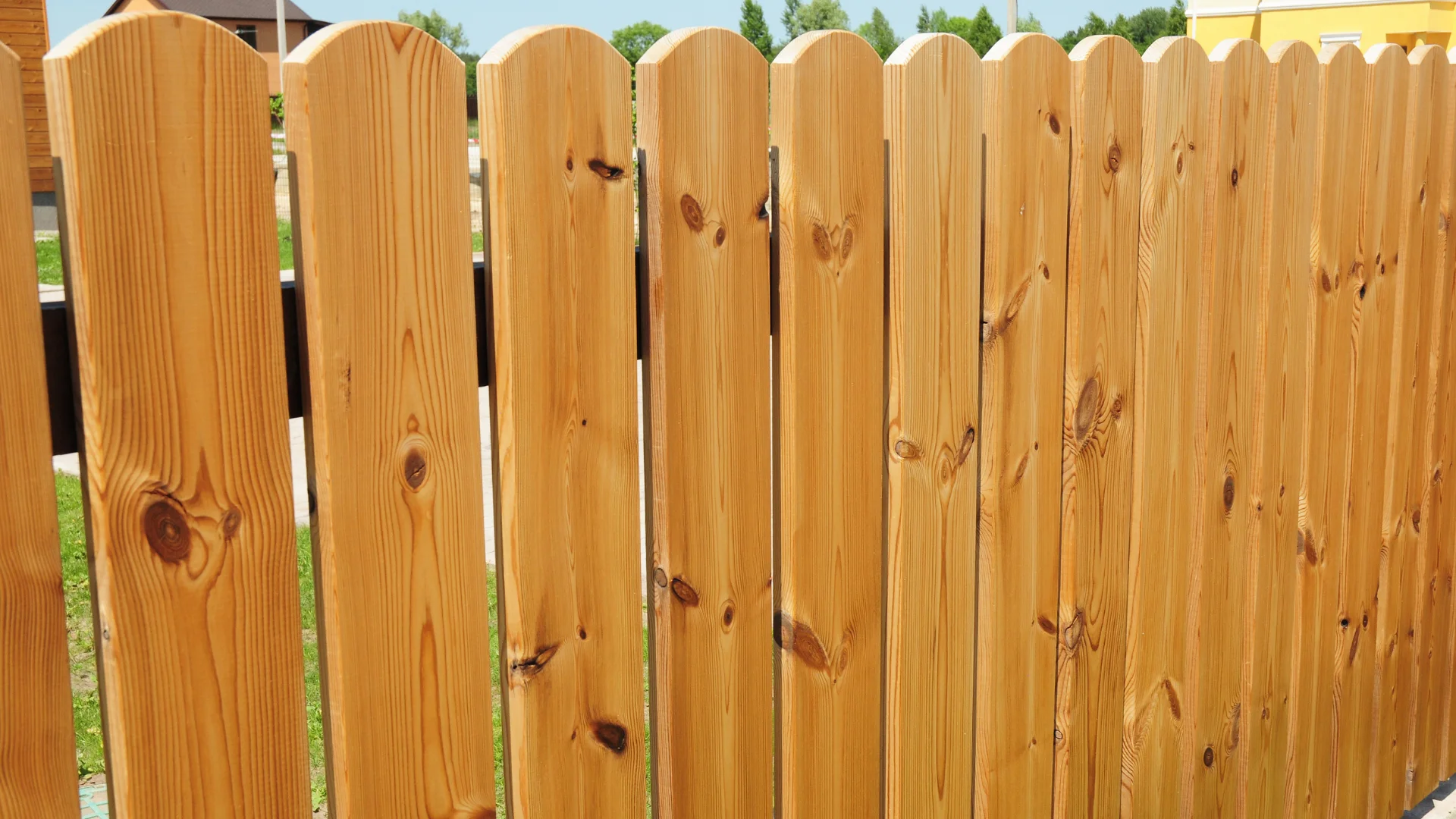
Privacy fencing is commonly used when properties need visual screening, sound reduction, or added separation between neighboring spaces. Wood and composite fencing are popular options for privacy applications. In some cases, chain link fencing combined with privacy slats may offer a more cost-effective alternative for large commercial sites.
Property owners should also consider maintenance requirements when selecting privacy fencing materials. Some materials require more frequent upkeep due to weather exposure, moisture, and UV damage.
Temporary Perimeter Fence Solutions
Not every site requires a permanent fencing system. Construction companies often rely on temporary perimeter fence systems to improve job site safety and reduce liability risks. According to OSHA, controlled access and restricted entry areas play an important role in maintaining safer construction environments.
Security Features That Improve Perimeter Fence Performance
Many commercial properties combine perimeter fencing with additional security upgrades to create a more complete protection system.
Automated Gates
Automated gate systems help regulate vehicle access while improving convenience for employees, vendors, and authorized visitors. Sliding gates, swing gates, and cantilever gate systems are commonly used for commercial entrances. Automated systems also help reduce the need for manual gate operation during busy traffic periods.
Access Control Systems
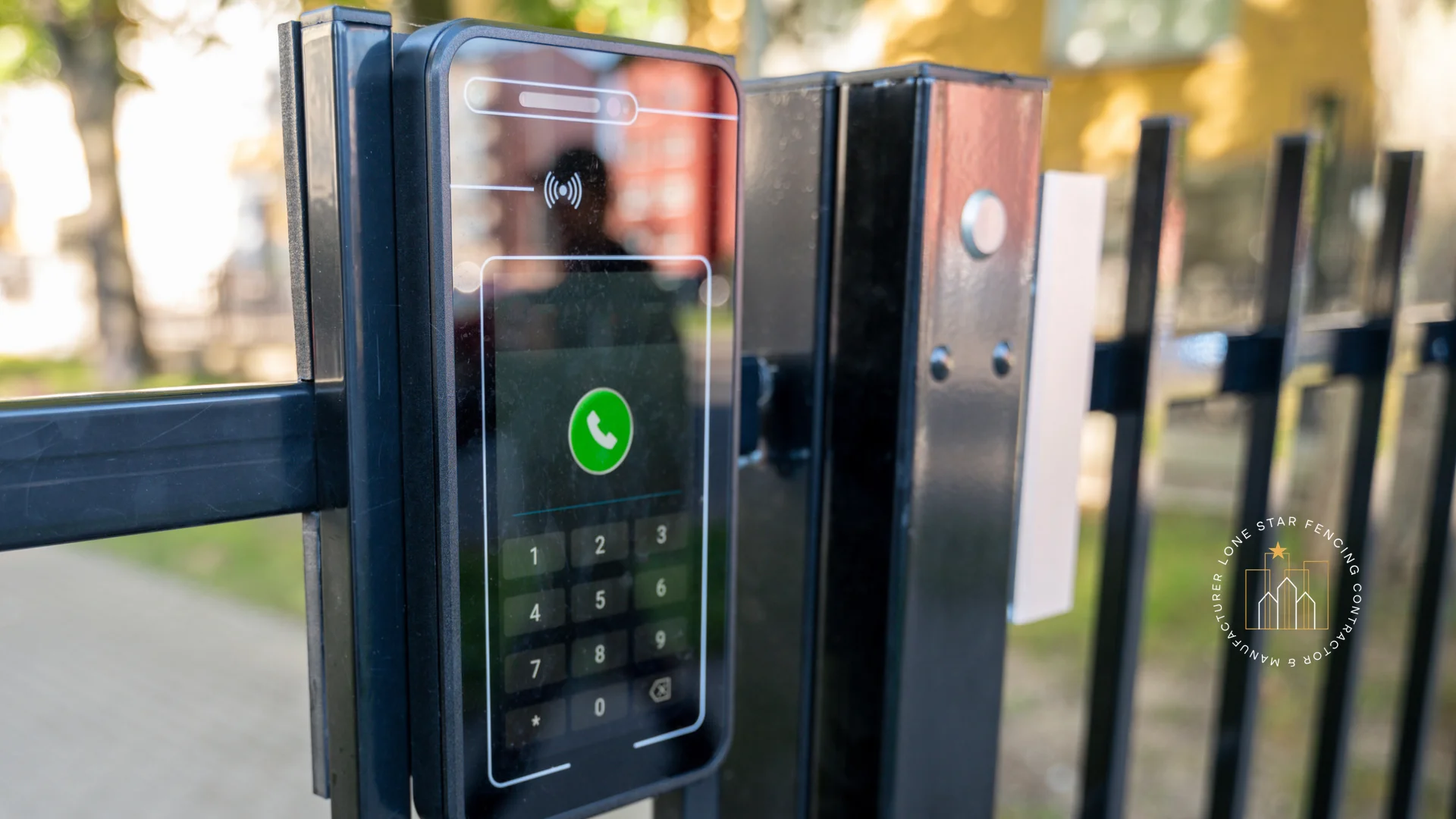
Access control technology allows property owners to monitor and manage who enters specific areas of a site. Common systems include keypad entry, card readers, RFID systems, and more. These systems can also provide valuable entry logs that support security monitoring and incident investigations.
Security Cameras
Video surveillance systems work alongside perimeter fencing to improve visibility across large properties. Strategically placed cameras can help monitor gates, parking lots, loading zones, and vulnerable access points.
Factors to Consider Before Installing a Perimeter Fence
Every commercial property has unique operational and security requirements. Before starting a perimeter fencing project, property owners should evaluate several important factors.
Property Size and Layout
Large properties often require multiple access points, different fence heights, and varying levels of security throughout the site. A professional site evaluation helps determine the best layout for fencing, gates, and traffic flow.
Local Fence Regulations
Fence height restrictions, setback requirements, and permitting rules vary by city and county. Commercial properties may also face zoning requirements related to visibility and emergency access. Reviewing local regulations before installation helps avoid project delays and costly modifications later.
Weather and Environmental Conditions
Texas weather can place significant stress on fencing systems over time. Wind exposure, heavy rain, heat, and soil movement should all influence material selection and installation methods. Commercial-grade materials and proper post installation help improve long-term performance in demanding environments.
Access Requirements
Properties with frequent truck traffic, delivery vehicles, or employee access need gate systems that support efficient daily operations. Poorly planned entry points can create congestion and operational slowdowns.
Long-Term Maintenance
Different perimeter fence materials require different levels of maintenance. Chain link fencing generally requires minimal upkeep while wood fencing may need periodic staining, sealing, or repairs. Evaluating long-term maintenance costs can help property owners choose the right solution for their budget and operational goals.
Protect Your Property With the Right Perimeter Fence Solution
A professionally installed perimeter fence gives commercial property owners stronger security, better access control, and improved long-term property management. The right system can help reduce liability risks, discourage unauthorized access, and support safer daily operations across large sites. Whether you need chain link fencing, ornamental steel fencing, temporary fencing, automated gates, or complete perimeter security solutions, working with an experienced contractor makes a major difference in the success of the project.
Lone Star Fencing provides commercial perimeter fence installation and security solutions for large properties across Texas. Our team works with property managers, contractors, industrial facilities, and business owners to design fencing systems built for long-term performance and security.
Contact our team today to schedule a site evaluation and get a customized perimeter fence solution built for your property’s security needs.
Frequently Asked Questions About Perimeter Fence Systems
What is the best perimeter fence for commercial properties?
The best perimeter fence depends on the property’s security goals, appearance requirements, and budget. Chain link fencing is commonly used for industrial and large commercial sites because it is durable and cost-effective. Ornamental steel fencing is often preferred for office buildings, schools, and multifamily properties that want stronger curb appeal while maintaining security.
How tall should a commercial perimeter fence be?
Most commercial perimeter fences range from 6 to 8 feet tall. High-security facilities may require taller fencing with anti-climb features such as barbed wire or razor ribbon. Local fence regulations and zoning requirements may also impact allowable fence heights.
How long does a perimeter fence installation take?
Project timelines vary based on the size of the property, site conditions, material availability, and the complexity of the fencing system. Large commercial perimeter fence projects that include automated gates or access control systems may require additional planning and installation time.
Can perimeter fences include automated gates?
Yes. Many commercial perimeter fence systems include automated sliding gates, swing gates, or cantilever gates. Automated gate systems help improve traffic flow while giving property owners better access control and security management.

Genesis Diaz drives Lone Star Fencing with a sharp focus on innovation and quality in the fencing industry. Her expertise in designing and installing premium fencing solutions has earned Lone Star Fencing a distinguished reputation among its clientele. Genesis’s leadership is characterized by her commitment to excellence, attention to detail, and a client-centered approach, ensuring every fencing project exceeds expectations. With a team of skilled professionals, Lone Star Fencing is committed to delivering superior fencing services, sharing valuable insights on choosing the right fencing materials and designs to enhance security, privacy, and aesthetic appeal.