Commercial and industrial sites need more than a boundary marker. Outdoor storage, equipment, loading areas, employee spaces, and daily operations may all be visible from nearby roads or neighboring properties. A well-planned privacy fence limits those sightlines while giving the site a cleaner, more controlled appearance.
At Lone Star Fencing, we help property managers select fencing that fits the way their site operates. The right system can support screening, access control, security, and a professional exterior without creating obstacles for staff or vehicles.
Why Commercial Properties Need Visual Screening
Privacy can serve several business goals at once. Screening dumpsters, materials, utility equipment, or fleet vehicles keeps less attractive areas out of public view. It can also reduce distractions around employee break areas and create separation between a business and nearby residential property.
A privacy fence may also discourage casual observation of valuable inventory, machinery, and site activity. It should still be treated as one part of a larger security plan, alongside lighting, cameras, locks, and controlled entry points. For sites with higher security needs, the fence design should support clear procedures rather than interfere with monitoring.
Where Privacy Screening Adds the Most Value
Warehouses, distribution centers, manufacturing facilities, apartment communities, retail centers, schools, and contractor yards all use outdoor space differently. The best location for screening depends on traffic patterns and the areas that need separation.
Some properties benefit from full perimeter screening. Others need targeted coverage around a loading dock, waste enclosure, mechanical area, or outdoor work zone. A selective layout can preserve visibility near entrances while blocking views where privacy is the priority.
Before installation, it helps to map vehicle routes, pedestrian access, emergency exits, drainage, utilities, and gate locations. This early review can prevent a new barrier from narrowing a delivery lane or creating a blind corner.
Choosing the Right Commercial Privacy Fence Material
Material selection affects appearance, maintenance, airflow, cost, and performance. A commercial privacy fence should fit both the exposure of the site and the amount of daily activity around it.
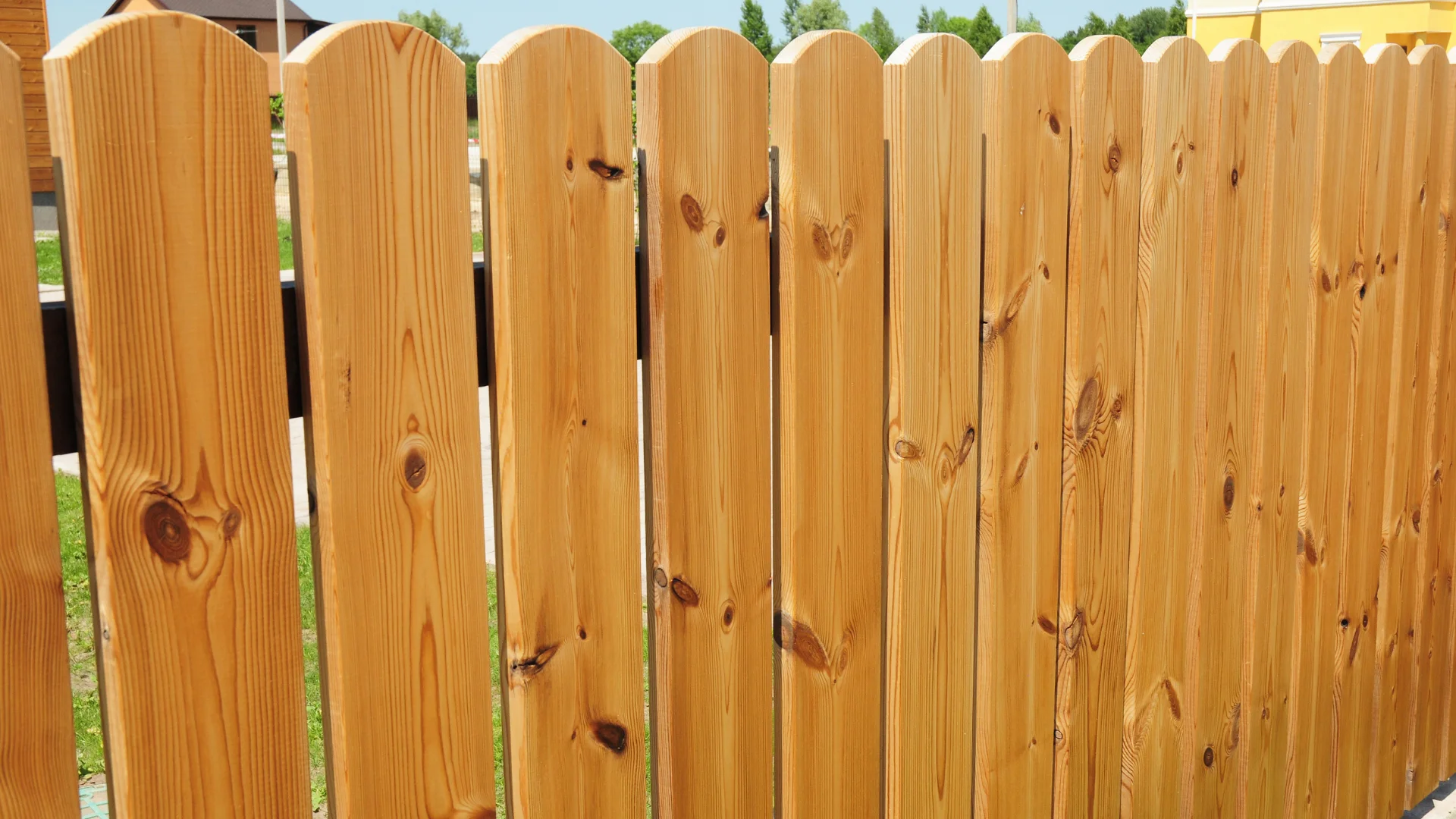
Wood panels provide solid coverage and a warm, traditional appearance. They can work well around offices, multifamily properties, hospitality spaces, and customer-facing areas. Wood does require routine care, especially where strong sun, wind, and dry conditions place stress on boards and finishes.
Vinyl panels offer full screening with a clean look and straightforward maintenance. They are often suited to properties where appearance is important and managers want to avoid regular staining or painting. Proper post spacing and structural support are especially important on exposed sites.
Chain link with privacy slats is a practical choice for large commercial and industrial perimeters. It combines the familiar strength and efficient coverage of chain link with reduced visibility through the fence. Slat color can also help the installation coordinate with the building or brand palette.
Balance Privacy, Security, and Visibility
More screening is not automatically better in every location. Solid panels can hide operations from passersby, but they can also reduce visibility for drivers, security staff, and cameras. The design should account for corners, driveway approaches, public sidewalks, and areas that need regular observation.
A mixed privacy fence layout can solve this problem. Solid or slatted sections can screen storage and work zones, while open fencing near gates and intersections preserves sightlines. Fence height should also reflect the intended use, local rules, and exposure to wind.
Plan Gates Around Daily Operations
The gate is often the busiest part of a commercial fence system. Its width, placement, hardware, and opening direction should support the vehicles and people that use it every day. A gate that is too narrow or poorly positioned can slow deliveries and create unnecessary wear.
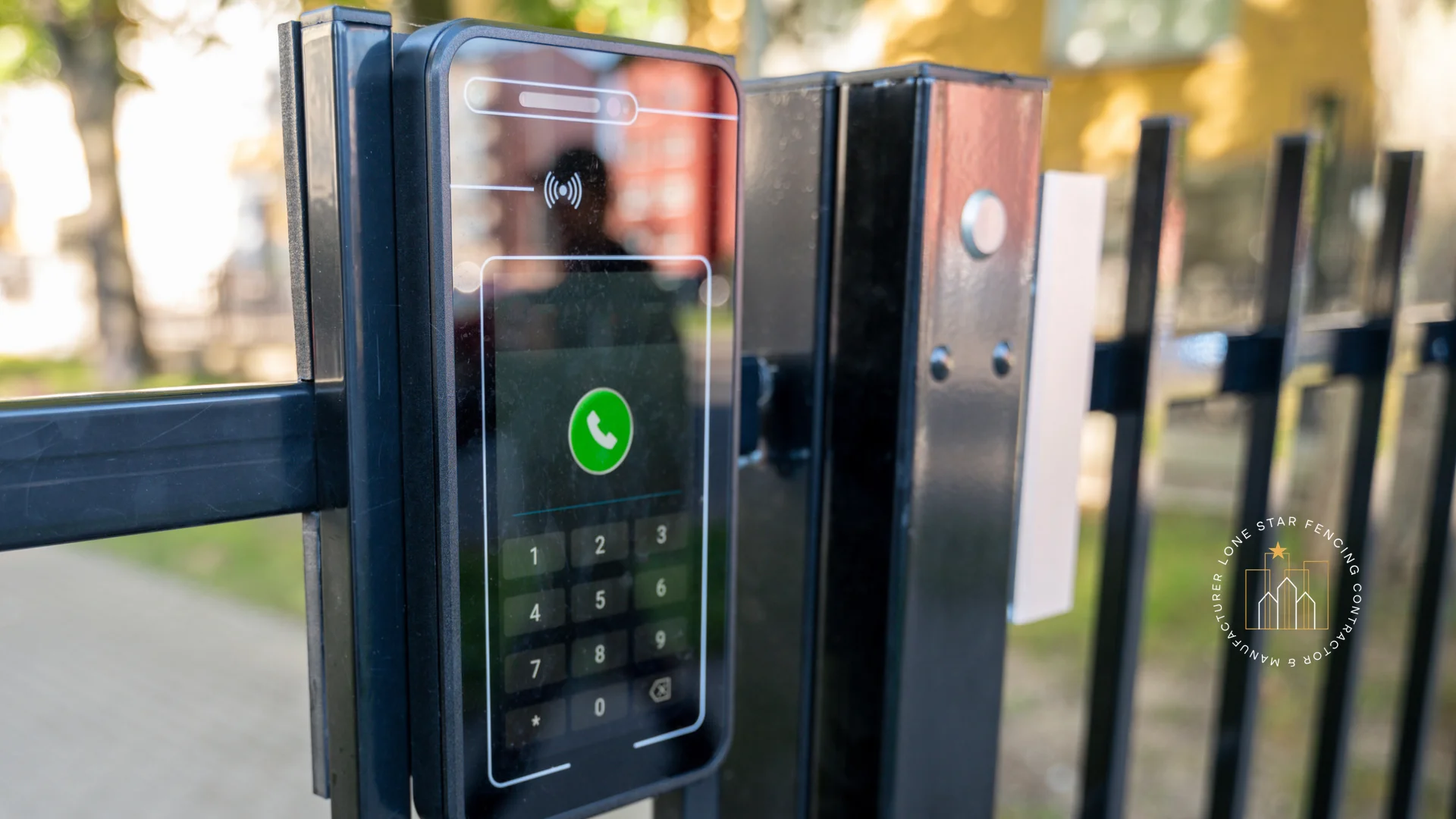
Automated gates can add controlled access and convenient vehicle entry. Pedestrian gates should also fit the property’s access plan, including any applicable accessibility and emergency egress requirements. Planning these details with the privacy fence helps the complete system work as one coordinated perimeter.
Prepare the Site Before Installation
Commercial fence planning should begin with confirmed property boundaries. Owners should also review zoning rules, height limits, setbacks, easements, fire access, and permit requirements with the local authority. Requirements vary by location and property use.
Underground utilities must be marked before post holes are dug. Grading and drainage deserve attention, since elevation changes can leave gaps below panels or call for a stepped installation. On active sites, phased work may keep entrances open and reduce disruption.
Work With Lone Star Fencing
Lone Star Fencing provides customized permanent fencing for commercial and residential properties across Texas. Our team can help you compare materials, plan gates, and choose a privacy fence configuration that supports your site’s security, appearance, and daily traffic.
Ready to create a cleaner and more controlled commercial perimeter? Contact Lone Star Fencing to discuss your property, priorities, and project schedule, and request an estimate for a privacy fence built around your site.
Frequently Asked Questions
What is the best privacy fence for an industrial property?
Chain link with privacy slats is often a practical option for large industrial sites because it provides broad coverage, reduced visibility, and flexible gate integration. The best choice still depends on the site layout, desired appearance, wind exposure, and security plan.
Can a privacy fence improve commercial property security?
A privacy fence can limit outside views of equipment, inventory, and work areas while defining controlled boundaries. It works best as part of a broader plan that may include lighting, surveillance, secure gates, and access procedures.
How high should a commercial privacy fence be?
The right height depends on the area being screened, nearby sightlines, wind exposure, and local zoning or permit rules. A site review can identify the height that provides useful coverage without creating access or visibility problems.
Can privacy fencing include an automated gate?
Yes. A privacy fence can be designed with an automated vehicle gate and separate pedestrian access. Gate dimensions, operators, safety devices, and access controls should be selected around traffic volume and site procedures.

Genesis Diaz drives Lone Star Fencing with a sharp focus on innovation and quality in the fencing industry. Her expertise in designing and installing premium fencing solutions has earned Lone Star Fencing a distinguished reputation among its clientele. Genesis’s leadership is characterized by her commitment to excellence, attention to detail, and a client-centered approach, ensuring every fencing project exceeds expectations. With a team of skilled professionals, Lone Star Fencing is committed to delivering superior fencing services, sharing valuable insights on choosing the right fencing materials and designs to enhance security, privacy, and aesthetic appeal.